Close
Home >> Blog >> Sigiriya and Dambulla
Sigiriya and Dambulla: Exploring the Cultural Heart of Sri Lanka
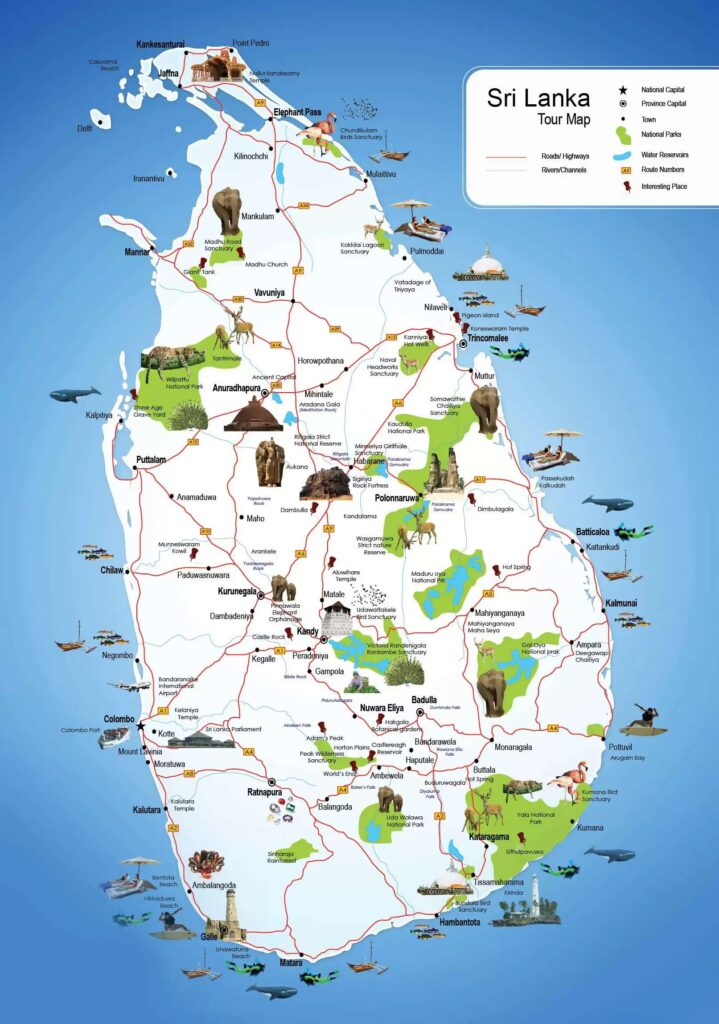
When it comes to unforgettable travel destinations in Sri Lanka, few places capture the island’s ancient grandeur and natural beauty like Sigiriya and Dambulla. Located in the heart of the country’s Cultural Triangle, these two UNESCO World Heritage Sites offer a journey through time – where history, spirituality, and breathtaking landscapes come together in perfect harmony.
Whether you’re a history enthusiast, an adventurer, or a curious traveler, a tour to Sigiriya and Dambulla is one of the most special experiences you can have in Sri Lanka. Here’s your complete travel guide to exploring this extraordinary region that stands as a symbol of Sri Lanka’s timeless charm.
Rising 200 meters above the surrounding plains, Sigiriya Rock Fortress (often called Lion Rock) is one of Sri Lanka’s most iconic landmarks and a masterpiece of ancient engineering. Built in the 5th century by King Kashyapa, Sigiriya served as a royal citadel and later became a monastery. Today, it remains one of Asia’s most astonishing archaeological sites.
The name “Sigiriya” comes from Sinha-giri, meaning “Lion Rock.” As you approach, you’ll notice the remnants of a massive stone lion’s paws at the entrance – a dramatic reminder of the grandeur that once defined this ancient kingdom.
The hike to the summit of Sigiriya is an adventure in itself. As you ascend the spiral stairways, you’ll encounter ancient frescoes depicting celestial maidens, known as the Sigiriya Damsels. These vibrant murals, painted over 1,500 years ago, still retain their beauty and mystery.
Halfway up lies the Mirror Wall, once polished so finely that the king could see his reflection in it. Today, the wall is covered in ancient poems and inscriptions left by visitors centuries ago – some of the earliest examples of Sinhalese literature.
Reaching the summit reveals the remains of King Kashyapa’s royal palace, complete with water gardens, reservoirs, and stunning panoramic views of the surrounding jungle. Standing atop the fortress as the wind sweeps through the ruins, you can’t help but feel transported to another era.
Beyond its historical wonder, the area around Sigiriya offers an authentic taste of Sri Lankan rural life. A Sigiriya Village Tour is the perfect way to connect with the local culture and traditions.
You can take a bullock cart ride through the countryside, glide across a lotus-filled lake on a wooden catamaran, and enjoy a home-cooked traditional Sri Lankan lunch served on a banana leaf. Many tours also include a cycling route around the village, offering the chance to see lush paddy fields, local farms, and friendly villagers at work.
This experience not only supports local communities but also gives travelers a deeper appreciation for Sri Lanka’s simple, sustainable way of life.
Just a short distance from Sigiriya lies Pidurangala Rock, a lesser-known but equally impressive attraction. Though smaller in size, it offers a unique hiking experience and arguably the best view of Sigiriya Rock itself.
The trail to the top takes about 30–45 minutes and passes through an ancient temple and reclining Buddha statue. Once at the summit, you’re rewarded with an incredible panoramic view – especially magical at sunrise or sunset when Sigiriya glows golden against the horizon.
Many travelers choose to climb both rocks – Pidurangala for the view and Sigiriya for the history — for a complete experience of this legendary landscape.
About 20 minutes from Sigiriya lies another remarkable site — the Dambulla Cave Temples, also known as the Golden Temple of Dambulla. This complex of five caves carved into a massive rock overhang is one of the best-preserved examples of Buddhist art and architecture in Asia.
Dating back more than 2,000 years, the Dambulla Caves are filled with over 150 Buddha statues and intricate murals that cover nearly every inch of the walls and ceilings. The artwork depicts scenes from the life of the Buddha, as well as significant events in Sri Lanka’s history.
The main cave, known as the Cave of the Great Kings, features a 15-meter-long reclining Buddha and stunning frescoes painted in vivid colors. The peaceful atmosphere and spiritual energy make it a truly awe-inspiring place to visit.
From the top of Dambulla Rock, you can also enjoy sweeping views of the surrounding countryside, dotted with lakes and forests — a sight that perfectly complements the temple’s serene ambiance.
Just a short drive from Sigiriya lies Minneriya National Park, famous for the Elephant Gathering – one of the largest wild elephant gatherings in the world. During the dry season (July to September), hundreds of elephants congregate around the Minneriya Tank, creating a breathtaking wildlife spectacle.
A Minneriya Safari is the perfect way to combine culture and nature in one trip, as you can witness elephants, deer, peacocks, and countless birds in their natural habitat.
For a taste of local life, stop by the Dambulla Wholesale Vegetable Market, one of the largest in the country. It’s a colorful, lively hub where farmers from across the island bring their produce. Watching the trading activity and sampling fresh tropical fruits is a great way to experience everyday Sri Lankan life.
Along the route from Dambulla to Kandy, you’ll find several spice and herbal gardens, where you can learn about Sri Lanka’s world-famous cinnamon, cardamom, cloves, and pepper. Many tours include demonstrations of how spices are grown, processed, and used in traditional Ayurvedic medicine.
The best time to visit Sigiriya and Dambulla is during the dry season, from December to April, when the weather is pleasant and skies are clear. If you visit during the early morning or late afternoon, you’ll avoid the midday heat and enjoy better lighting for photography.
For wildlife enthusiasts, planning your trip between July and September allows you to witness the Elephant Gathering at Minneriya – an experience that adds a magical touch to your cultural journey.
Wear comfortable clothing and good shoes for hiking Sigiriya and Pidurangala.
Start early to avoid crowds and heat, especially for the Sigiriya climb.
Carry water and sun protection, as the sun can be intense.
Dress modestly when visiting temples – shoulders and knees should be covered.
Hire a local guide to learn about the fascinating history and legends behind each site.
Sigiriya and Dambulla together represent the essence of Sri Lanka – a perfect blend of history, spirituality, and natural splendor. From the majestic Lion Rock Fortress that tells tales of ancient kings to the tranquil cave temples filled with centuries-old art, this region offers a journey that stirs both the mind and the soul.
Whether you’re hiking through lush landscapes, exploring age-old ruins, or connecting with the simplicity of village life, Sigiriya and Dambulla provide an experience that stays with you long after you leave.
So, when you plan your next Sri Lankan adventure, make sure this cultural heartland is on your itinerary – because in Sigiriya and Dambulla, every sunrise, every painting, and every stone whispers the story of a timeless civilization.