Close
Home >> Blog >> Exploring Sri Lanka’s Cultural Triangle
Exploring Sri Lanka’s Cultural Triangle: Ancient Cities and Timeless Heritage
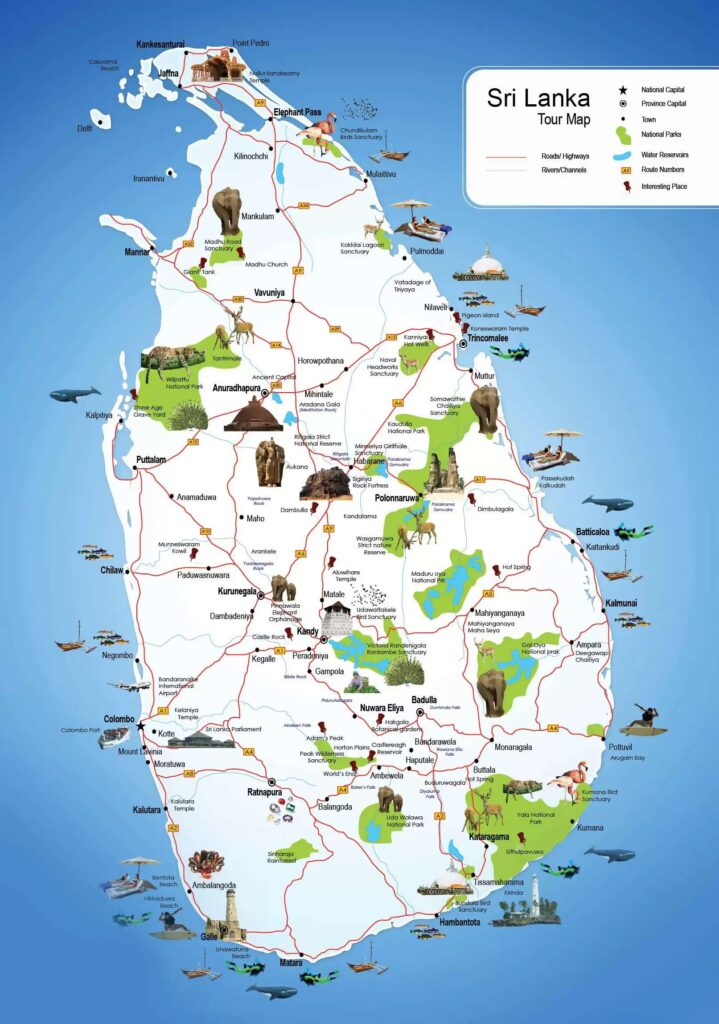
Sri Lanka is not only a tropical paradise of beaches and wildlife but also a land steeped in history, culture, and ancient wonders. The Cultural Triangle – encompassing Sigiriya, Dambulla, Polonnaruwa, and Anuradhapura – is a treasure trove for travelers seeking insight into the island’s rich heritage.
This region is dotted with ancient temples, royal palaces, archaeological sites, and serene villages, offering a journey back in time to the glory of Sri Lanka’s past civilizations. From climbing iconic rock fortresses to exploring centuries-old temples, the Cultural Triangle promises an unforgettable cultural adventure.
No trip to Sri Lanka’s Cultural Triangle is complete without visiting Sigiriya, the 5th-century rock fortress and UNESCO World Heritage site. Rising 200 meters above the plains, Sigiriya was once the royal palace of King Kashyapa and is renowned for its frescos, water gardens, and mirror wall inscriptions.
A climb to the top rewards visitors with panoramic views of the surrounding jungle and villages, while exploring the ancient gardens at the base provides insight into advanced engineering and landscaping techniques of the time.
Nearby, the Pidurangala Rock hike offers an alternative viewpoint, especially stunning at sunrise, where travelers can watch the first light hit Sigiriya Rock – a photographer’s dream.
A short drive from Sigiriya brings you to the Dambulla Cave Temple, another UNESCO World Heritage site. These rock caves house over 150 Buddha statues and intricate murals depicting scenes from the life of the Buddha.
The temple complex sits atop a hill, providing stunning views of the surrounding countryside, and the serene ambiance invites reflection and calm. Visiting the Dambulla caves offers a glimpse into Sri Lanka’s Buddhist heritage, dating back more than 2,000 years.
The ancient city of Polonnaruwa served as the second capital of Sri Lanka after the decline of Anuradhapura. Today, it is an archaeological wonder, with well-preserved ruins of palaces, temples, statues, and irrigation systems.
Highlights include:
Gal Vihara: A rock temple featuring colossal Buddha statues carved into granite.
Parakrama Samudra: A massive man-made reservoir reflecting the ingenuity of medieval engineers.
Royal Palace Complex: Remnants of the king’s residence and administrative buildings.
Exploring Polonnaruwa on a bicycle is a popular way to cover the sprawling site and soak in the history.
Anuradhapura, the first capital of ancient Sri Lanka, is a sacred city and a UNESCO World Heritage site. The city is known for its ancient stupas, monasteries, and sacred Bodhi tree, which is believed to be a sapling from the original tree under which the Buddha attained enlightenment.
Key highlights in Anuradhapura include:
Ruwanwelisaya Stupa: One of the largest and most revered stupas in Sri Lanka.
Thuparamaya: The oldest stupa in the country, dating back to the 3rd century BCE.
Isurumuniya Temple: Famous for its intricate stone carvings and sculptures.
Visiting Anuradhapura provides travelers with a deep understanding of Sri Lanka’s religious traditions and historical continuity, making it a spiritual and cultural highlight.
Beyond the major sites, the Cultural Triangle offers opportunities to immerse in village life. Traditional Sri Lankan villages provide insight into agriculture, crafts, and cuisine, allowing visitors to experience life as locals do.
Some tours include:
Village cycling tours around Sigiriya and Dambulla.
Cooking classes featuring authentic Sri Lankan meals prepared with fresh, local ingredients.
Elephant sanctuaries near Habarana and Minneriya, where travelers can observe elephants in a natural setting.
While exploring the Cultural Triangle, a safari at Minneriya National Park is a must. Famous for the “Gathering of Elephants,” this park offers one of the world’s most remarkable wildlife spectacles. Hundreds of elephants congregate near water sources during the dry season, creating an unforgettable experience for wildlife enthusiasts and photographers alike.
Best Time to Visit: December to April for dry weather and clear skies, ideal for temple visits and outdoor activities.
Transport: Hiring a private car or joining guided tours is recommended to cover the wide distances between sites efficiently.
Clothing: Modest attire is required for temple visits – long pants or skirts and covered shoulders are a must.
Guides: Hiring knowledgeable local guides enriches the experience with historical context and stories.
Sri Lanka’s Cultural Triangle is a living testament to the island’s rich heritage, religious devotion, and architectural brilliance. From the majestic Sigiriya Rock to the serene Dambulla caves, the ancient ruins of Polonnaruwa, and the sacred city of Anuradhapura, this region offers travelers a chance to walk through history while enjoying breathtaking landscapes and unique cultural experiences.
Whether you are a history buff, a photography enthusiast, or a spiritual traveler, the Cultural Triangle provides a diverse and immersive experience. Each site tells a story of Sri Lanka’s past, its kings, its religion, and its people – making it an essential journey for anyone seeking to understand the heart of the island.